
More Tools in the Toolbox
Hi there! It’s me again, Katelyn: a cat-loving, dahlia-loving, concert-going occupational therapist from Maine. You may remember my last PDC blog post about going to a music festival and how I used a whole lot of regulation tools to help me through that experience. If not, you should check that out first, as I’ll be referencing some of that experience now: https://www.pediatricdevelopmentcenter.com/a-music-festival-experience-from-a-person-with-sensory-processing-disorder/
Let’s start with a review about sensory processing. For people with sensory processing issues, the brain processes sensory input differently than other people’s brains do. Some people have “big buckets,” meaning they need a lot of sensory input throughout the day to feel regulated, while others have “small buckets” that fill up quickly and can lead to feeling overstimulated, overwhelmed, or even physically uncomfortable from everyday sensations. The tricky part is that your bucket sizes can vary across different sensory systems and can even change from day to day depending on stress, fatigue, and overall nervous system regulation. As an occupational therapist who also personally experiences sensory processing difficulties, I know firsthand how deeply these differences can impact daily life in ways that are often hard for other people to fully understand. Hence this blog!
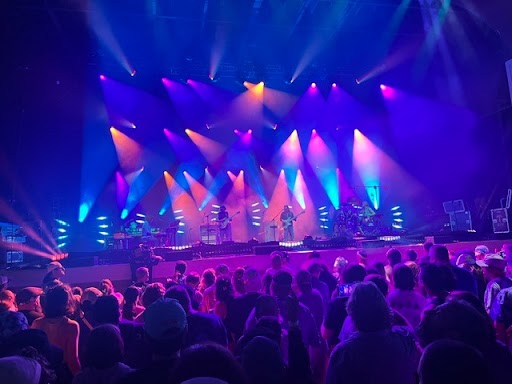
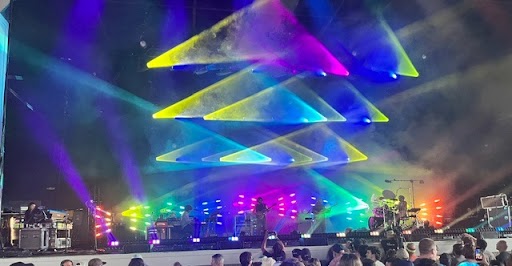
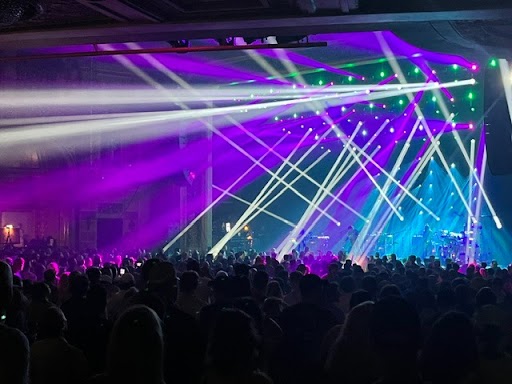
You’ll remember from my last blog that I love going to music festivals, but tend to get really overstimulated (again, very small buckets over here!). A few years ago, I had a whole list of tools and strategies that worked for me. Since then, I’ve gotten really into a jam band, and have gone to more than 15 of their concerts. For those who don’t know about jam bands, picture tie-dye, incredible lighting shows which compliment the amazing music, and jam sessions that can last for about 20 minutes for one song. Trust me when I say that these concerts have offered a whole new set of sensory processing challenges for me due to their length, and all the added stimulation from the lights and jamming. The particular band that I follow has amazing fans, and they are REALLY into it during the shows, which means all around me there are dancing, excited people. This just makes my buckets fill up faster. I really value going to these concerts, so I’ve had to find new strategies to help me be able to go. Here are some of them and how they helped me with my small buckets:
- Trying to find a space with less people. This can be challenging, because my concert-buddy loves to be right in the thick of it to maximize the experience. For one show I went to in Florida, we wound up standing up against the rail that separated the general admission pit area from the seats behind us. This was great as it meant there were only people directly in front of me and not surrounding me 360 degrees. I could also lean gently against the rail for a bit more proprioceptive input. (For those who need a refresher, you have proprioceptors in your tendons and joints that tell you where your body is in space. People with poor proprioception often lean on things around them to get more feedback about where they are in space!)
- My literal and figurative toolbox for concerts now includes earplugs, sunglasses, and a hat. Those crazy lighting shows I mentioned are so cool, but are also really overstimulating for me. I’ve gotten really nauseous and almost passed out, just from the lights. I always wear my sunglasses during the shows to decrease the amount of light, and I wear a baseball-style hat with a brim to further limit how much I can see.
- During those looooooooong jam sessions with the beautiful lights, body positioning is everything. I tilt my head all the way down so I can’t see the stage or the lights, which really helps limit the amount of stimuli. I usually keep my ear plugs resting just inside my ears, but during those long jams, I push them all the way in, which really helps me with the loud sound. Once the jam is over, I pull them back out slightly so I can hear my concert-buddy commenting on how cool the jam was 🙂
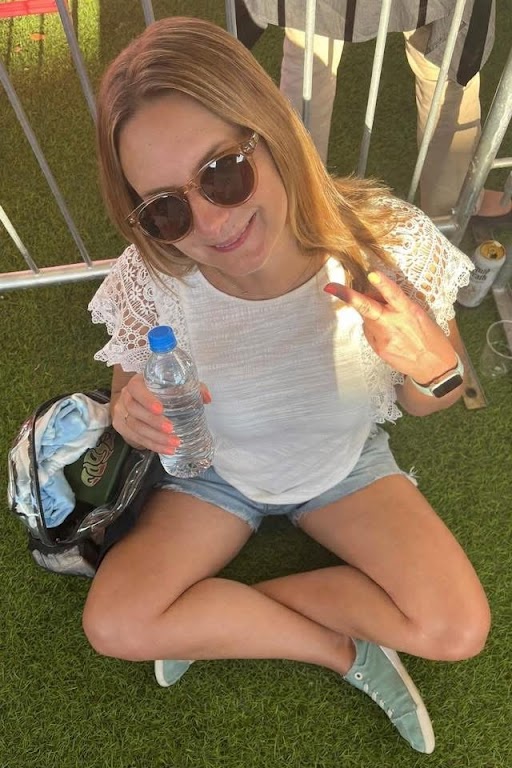
- Because most of the time, we have general admission tickets to the pit area, this means we are always standing. By now I think you’ve probably gotten the idea that my concert-buddy has bigger buckets than I do, so he tends to be fine to stand for the whole concert. I realized that while we are waiting for the show to start, and then during intermission, it is very advantageous for me to sit on the ground. I might look kind of silly, but this really helps me so that when it is time to stand again, I feel a little rejuvenated.
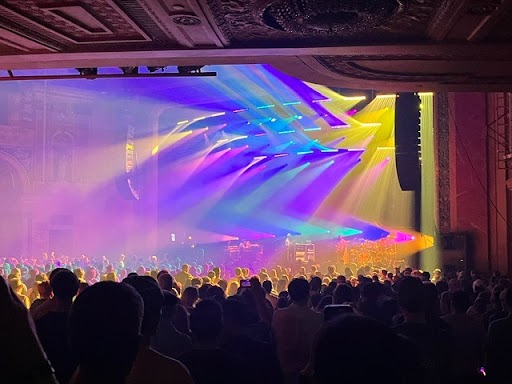
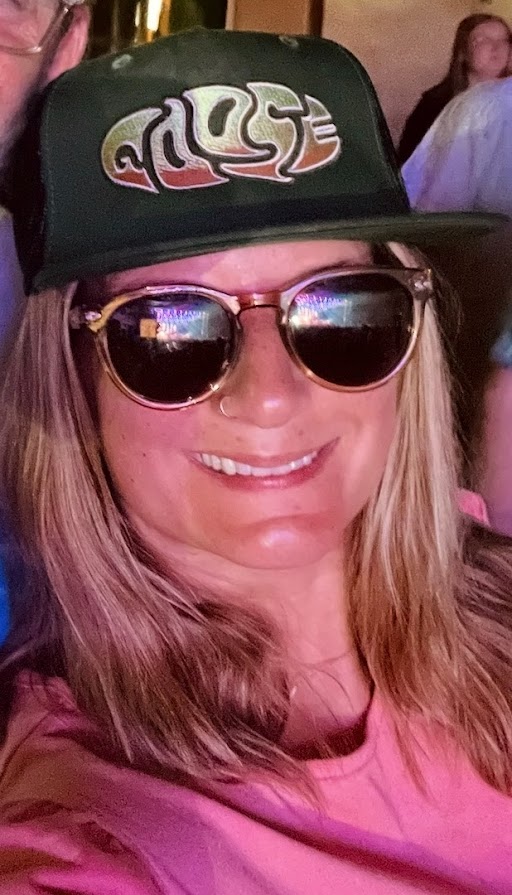
The reason I wanted to write an updated version of this blog isn’t just for jam-band concert goers with sensory processing issues (though I’m sure I’m not the only one!). It’s actually to illustrate a very important point: that your toolbox is constantly changing and evolving. In our two therapy clinics at Pediatric Development Center, we see this all the time with our clients. Sometimes the old tools stop working, and we need new ones. Other times, we know that one type of tool works really well, so in therapy we try to find other tools that target the sensory systems in the same way to expand on the tools we have to use. At one of the last concerts I went to, I had a big epiphany about how my concert-going tools have continued to evolve over time, which is EXACTLY what happens with our clients’ sensory diets. Sensory diets aren’t foods that you eat, but instead are personalized sets of sensory activities and strategies that help your nervous system stay regulated throughout the day. Sensory diets are kind of like giving your brain the input it needs in the right amounts at the right times. People with sensory processing differences often do best when they are consistently getting the sensory input their bodies need to keep their buckets from either running empty or overflowing. The most effective sensory diets are those that change and evolve over time, which is why working closely with an occupational therapist is so important. We are here to help evaluate and then continue to re-evaluate how our clients’ sensory systems are working, and make recommendations to help make sure our clients are living their best lives.
At the end of the day, sensory processing challenges don’t mean that someone can’t participate in the things they love; it just means they may need different tools and supports to help them get there. One of my favorite parts about being an occupational therapist at Pediatric Development Center is helping clients and families figure out what those tools are, and then continuing to adapt them as life changes. Whether it’s helping a child get through a school day, making community outings feel more manageable, or even helping someone enjoy a three-hour jam band concert without their buckets overflowing, occupational therapy is all about helping people participate more fully in the activities that matter most to them. And honestly, I think that’s pretty cool.